
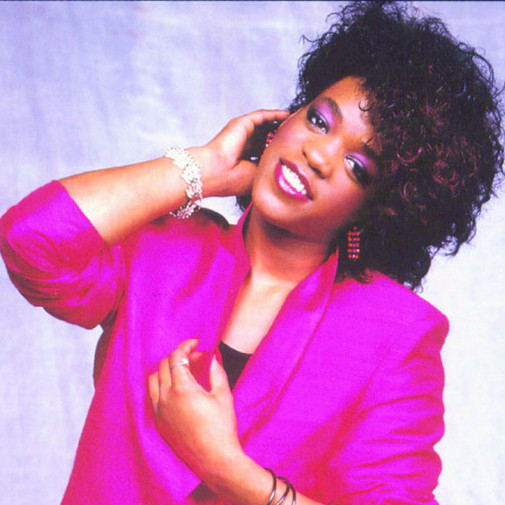
Imagine being a teenager and discovering that your voice could become part of the soundtrack to dancefloors around the world. For Evelyn King, that remarkable journey began in Philadelphia, where a chance encounter helped launch a career that would give disco and R&B one of their most memorable voices.
Best known for the irresistible classic Shame, King became one of the defining female vocalists of the disco era. Her story is a reminder that sometimes a life-changing opportunity arrives when you least expect it—and that talent needs the right moment to shine.
A Young Voice Discovered in Philadelphia
Born in the Bronx, New York, in 1960, Evelyn King grew up in Philadelphia, where she was surrounded by the city's rich musical culture. Her breakthrough came when producer Theodore “T. Life” Life heard her singing while she was helping her mother with cleaning work at a Philadelphia recording studio.
Impressed by her voice, T. Life recognised the young singer's potential and helped open the door to her recording career. King was still in her teens, yet she was about to enter a music industry where opportunities like this could transform a life almost overnight.
It was an extraordinary beginning for a young woman whose voice would soon travel far beyond the studio where she was first heard.
“Shame” Changes Everything
Released in 1977, Shame became Evelyn King's breakthrough recording. Produced by John H. Fitch Jr. and Reuben Cross, the track combined a driving rhythm, bright orchestration and a confident vocal performance that captured the excitement of the dancefloor.
The song gained momentum as it reached audiences and became a major chart success in 1978. Its infectious groove and memorable chorus helped establish King as a formidable new voice in disco and R&B.
But Shame offered more than a catchy hook. King brought personality, energy and conviction to the performance, giving the record a distinctive character that listeners could recognise immediately.
For a singer who was still a teenager, the success was remarkable. She had gone from being a young talent discovered in a recording studio to an artist whose music was being played in clubs, on radio stations and in homes across the world.
Decades later, Shame remains one of the defining dance records of its era—a track that can still fill a dancefloor and bring generations of music lovers together.
More Than One Hit
Breaking through with a major single is one thing. Building a lasting career is another.
King continued recording through the late 1970s and 1980s, moving between disco, soul, funk and contemporary R&B. Her catalogue includes memorable recordings such as I Don't Know If It's Right, I'm in Love and Love Come Down.
Released in 1981, I'm in Love became another major success, reaching the top of the US R&B chart. Then, in 1982, Love Come Down delivered another standout moment in her career, becoming a major pop and R&B hit.
These records demonstrated King's ability to evolve as popular music changed around her. The late 1970s dancefloor sound was giving way to the more synthesised, polished production of the 1980s, with electronic textures and tighter funk rhythms becoming increasingly prominent.
King found her place in that changing landscape, retaining the energy and immediacy that had made her famous while embracing the sounds of a new decade.
The Sound of a Generation
Evelyn King's records capture a period when disco, funk and R&B were constantly influencing one another. The music was made for movement, but the best tracks also featured strong melodies, distinctive vocals and arrangements that rewarded repeated listening.
Shame remains a standout because it brings those elements together so effectively. The rhythm pulls you in, the vocal commands attention, and the production captures a particular moment in dance music history without losing its freshness.
For DJs and soul fans, that combination is part of the record's lasting magic. It has the kind of groove that works across generations, whether heard through a treasured vinyl pressing, a radio broadcast, a carefully selected playlist or a late-night DJ set.
And while nostalgia may bring listeners back to the music, the quality of the records is what keeps them listening. Great dance music doesn't simply remind us of a particular time. It gives us a reason to move, sing along and share the experience with others.
A Lasting Place in Soul and Dance Music
King's career is a reminder that a great artist should never be defined by one song alone. While Shame remains her signature recording, her subsequent hits and continued performances have helped keep her music in circulation.
Her journey also highlights the importance of discovery and opportunity in the music business. A young singer was heard, given a chance to record, and went on to create music that outlived the era in which it first became popular.
Not every talented artist gets that opportunity. King's story reminds us how one moment of recognition can open a door—and how talent, when matched with the right opportunity, can leave a lasting mark on music history.
Her records helped connect the disco era with the evolving sounds of 1980s R&B, giving listeners music that was equally at home on the dancefloor and on the radio.
That is the real measure of a timeless record: it continues to find new listeners long after the original charts, clubs and fashions have changed.
Still Bringing the Dancefloor to Life
Evelyn King's story began with a teenage discovery, but it became something much bigger. Her voice helped define an era of disco and R&B, and her music still has the power to make people move.
At Grown Folks Music, we celebrate artists like King because their records are more than nostalgic favourites. They are part of our musical history—songs that bring back memories, create new ones and remind us why the groove never really goes out of style.
The next time Shame comes around in a DJ set, listen closely. Behind that irresistible rhythm is the voice of a young artist whose remarkable journey began when someone heard something special.
Some records bring back memories. The great ones never stop making them.
Further Reading
- Evelyn Champagne King — Artist Profile on Apple Music
- Evelyn Champagne King — Artist Profile on Insomniac
- [Evelyn King — Discography on Di